
Key Takeaways
- Proposed and emerging high-cost immigration barriers in the United States may significantly affect employers that rely on foreign talent.
- Small and medium-sized businesses could face greater challenges sponsoring foreign workers due to rising H-1B-related costs.
- Healthcare systems and staffing organizations have raised concerns about long-term workforce shortages, particularly for physicians and specialized medical professionals.
- Some employers may shift recruitment efforts toward domestic hiring or higher-paying positions that can better absorb immigration-related expenses.
- Ongoing legal and policy disputes surrounding immigration fees and workforce access continue to evolve in 2026.
Immigration policy changes in the United States are increasingly influencing how businesses approach workforce planning, international recruitment, and long-term talent acquisition strategies.
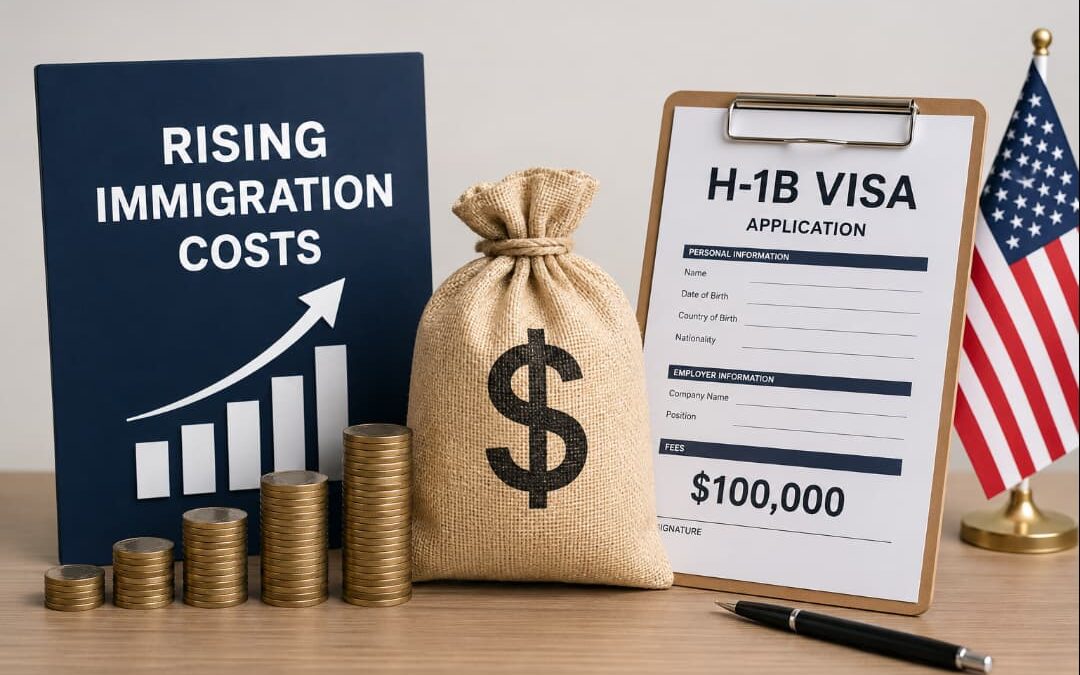
In recent months, immigration stakeholders, business organizations, and healthcare groups have raised concerns about the potential impact of significantly higher employment-based immigration costs, including discussion surrounding a proposed $100,000 H-1B-related fee structure.
Observers say these developments could have broad implications across industries that depend heavily on skilled foreign workers, particularly healthcare, technology, engineering, and specialized professional services.
Growing Concerns Over High-Cost Immigration Barriers
Business groups and immigration advocates argue that rising immigration costs may create substantial financial pressure for employers seeking to sponsor foreign professionals.
Critics of the proposed fee structures say the costs could disproportionately affect:
- small and medium-sized businesses (SMEs),
- healthcare staffing organizations,
- nonprofit institutions,
- and employers operating in specialized labor markets with ongoing worker shortages.
Larger corporations with significant recruitment budgets may be better positioned to absorb increased immigration expenses, while smaller employers could face more difficult hiring decisions.
Healthcare Sector Faces Particular Challenges
Healthcare organizations have been especially vocal regarding the potential workforce impact of higher immigration-related costs.
Industry groups continue warning that the United States faces ongoing shortages involving:
- physicians,
- nurses,
- and other healthcare professionals.
Some workforce projections estimate that physician shortages could reach tens of thousands of positions over the next decade, increasing pressure on hospitals and healthcare systems already facing staffing gaps.
Healthcare advocates argue that restrictive or costly immigration pathways may make it more difficult to recruit internationally trained medical professionals at a time when many regions continue experiencing care shortages.
At the same time, recent immigration policy adjustments have included efforts to resume or stabilize processing for certain foreign-trained physicians and previously paused case categories.
Employers Reevaluate Recruitment Strategies
As immigration sponsorship costs rise, some employers are reportedly reconsidering how they approach hiring and workforce planning.
Businesses may increasingly focus on:
- domestic recruitment efforts,
- automation and operational restructuring,
- or highly compensated roles where immigration sponsorship expenses are easier to justify financially.
For some employers, especially smaller organizations, the economics of sponsorship may become more difficult to sustain under higher-cost immigration frameworks.
Immigration attorneys and workforce analysts note that these pressures could reshape global talent mobility trends over time.
Legal and Policy Challenges Continue
Business organizations and advocacy groups continue challenging certain immigration-related fee proposals and restrictions through litigation and policy advocacy.
The U.S. Chamber of Commerce and other stakeholders have publicly opposed measures they argue could reduce employer access to global talent and increase barriers for businesses already facing labor shortages.
Because immigration policies, fee structures, and litigation outcomes remain subject to change, employers and foreign workers alike continue monitoring developments closely.
Broader Implications for Global Mobility
The broader immigration landscape across North America is also evolving alongside these U.S. developments.
While the United States faces debates surrounding higher sponsorship costs and labor market protections, Canada has simultaneously adjusted immigration targets and processing priorities in several categories.
Together, these changes may influence how international professionals evaluate:
- employment opportunities,
- long-term immigration pathways,
- and cross-border mobility options.
Employers competing for highly skilled global talent may increasingly need to balance immigration costs, workforce shortages, compliance obligations, and recruitment flexibility.
Final Thoughts Regarding Immigration Regulations
Immigration policy changes tied to employment sponsorship costs may have far-reaching consequences for businesses, healthcare systems, and international workers navigating the U.S. labor market.
For employers dependent on specialized global talent, evolving immigration regulations could significantly influence recruitment strategies, workforce planning, and long-term operational decisions in the years ahead.
As litigation, policy negotiations, and workforce pressures continue unfolding, immigration-related hiring costs will likely remain an important issue for businesses across multiple sectors.
Sources